If you are researching Chicago cost of living 2026 housing utilities, you are probably trying to avoid a costly surprise after you move. Chicago can be affordable compared to some major cities, but only if you understand what actually drives your monthly expenses.
I’m with DomaniProperties.com, and we help buyers and sellers across Chicago, Naperville, Downers Grove, Elmhurst, and Plainfield. This guide breaks down the big costs, the hidden costs, and how to budget like a grown up without killing your lifestyle.
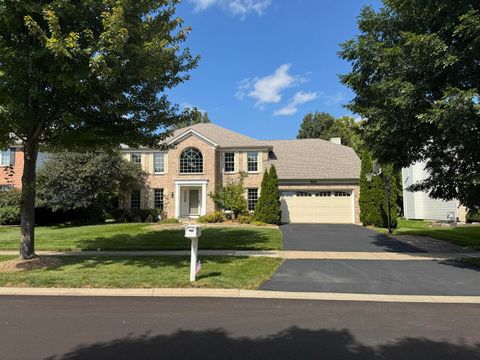
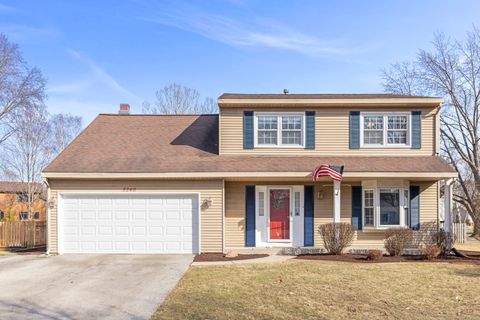
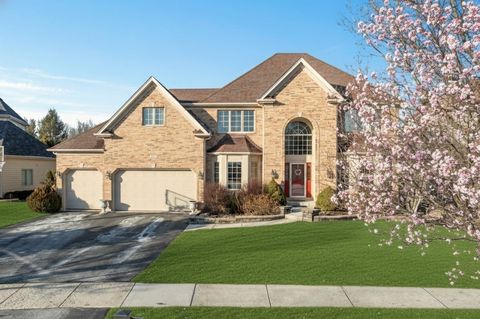
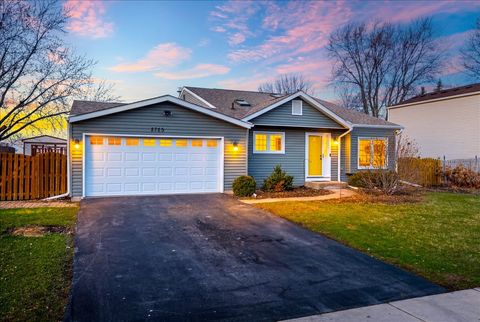
Housing is the main lever that changes everything. Your neighborhood, property type, and even parking situation can swing your monthly cost more than groceries ever will.
Here are two helpful market anchors:
Chicago is estimated to be about 5.7% above the U.S. average overall on some cost indexes.
Recent market snapshots often show median sale prices in the mid $300Ks.
Real world scenario: Two buyers both say they want “Chicago.” One ends up in a high rise condo with HOA fees and garage parking. The other buys a bungalow with a yard but longer commute time. Same city, totally different monthly reality.
If you are buying, your payment is not just principal and interest.
Plan for:
Property taxes
Homeowners insurance
HOA fees if you buy a condo or townhome
Maintenance and repairs
Parking in many neighborhoods
Quick example: Condo buyers often love the lower purchase price, then forget the HOA. A $350 HOA can feel like a second utility bill that never ends.
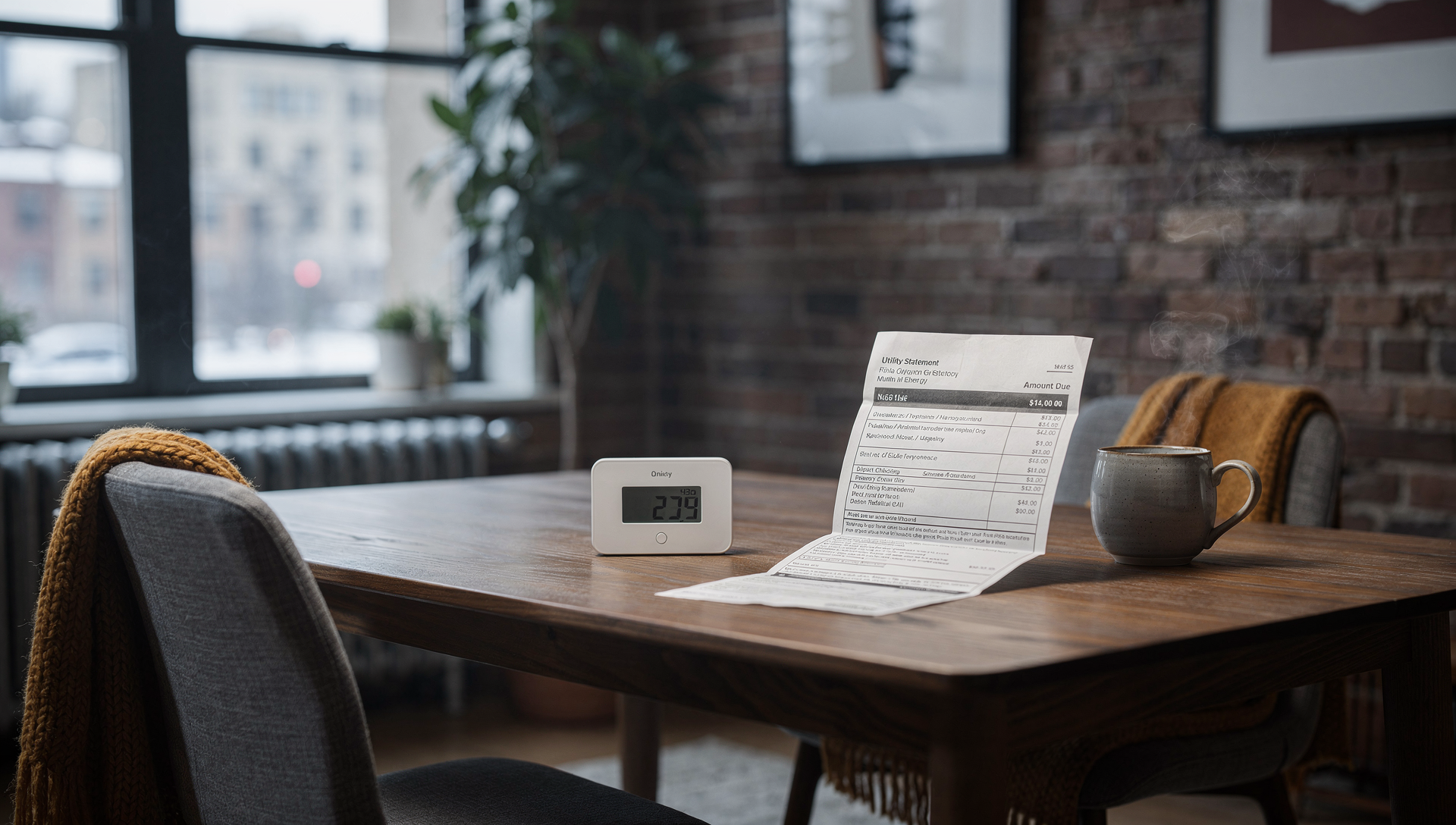
Utilities in Chicago are not just “one bill.” They are a stack.
Most households see seasonal swings because of winter heating and summer cooling. Some sources note utilities in Chicago can run below the national average, but the real issue is variance between buildings and insulation quality.
To avoid getting wrecked by the first winter, do this:
Ask for the last 12 months average utility costs
Confirm if gas or electric is used for heating
Check windows, insulation, and HVAC age during showings
Renters have fewer surprise costs, but rent changes faster than most people expect.
One widely used market source shows Chicago’s average rent around the $1,900 range, varying by unit type and neighborhood.
Real world scenario: If you rent for a year while you learn neighborhoods, you can make a smarter buying decision later. That is often the lowest stress move for relocations.

Chicago gives you options. Your costs depend on what you choose.
If you rely on CTA and walk, you can keep costs lower
If you own a car, you add insurance, fuel, maintenance, and parking
If you commute daily, time becomes a cost too
If you are moving from the suburbs into the city, parking alone can feel like a new bill you never asked for.
This is the part nobody wants to talk about, because it is not as exciting as neighborhoods. But it matters.
A simple rule that works:
Set a weekly grocery budget
Pick a realistic “eating out” number
Watch delivery apps like they are a wild animal
Light humor but true: “We only ordered delivery twice” is how it starts. Then you check the bank app.
A lot of people love Chicago and still choose nearby suburbs because they get:
More space
Easier parking
Different school options
A more predictable monthly cost profile
Suburbs we help clients with all the time:
Naperville for an active downtown and strong long term demand
Downers Grove for commuter convenience and neighborhood vibe
Elmhurst for access to Chicago with a strong local scene
Plainfield for more space and newer home options
Real world scenario: If you only go into the city on weekends, it can make sense to live in a suburb you love and “visit Chicago” instead of paying a premium to be in it.
If you are buying, do not budget to the edge.
Use this simple monthly framework:
Housing payment including taxes and insurance
Utilities electric, gas, water, internet
Transportation car or transit plus parking
Food groceries and eating out
Savings including repairs and emergency fund
Fun money because this is still your life
Even newer homes need fixes. Owning means you are the landlord now.
If you want to understand Chicago cost of living 2026 housing utilities, focus on what drives the monthly number: housing type, utilities by building, and your transportation habits. Once those are clear, the rest is easy to manage.
If you want help comparing Chicago to Naperville, Downers Grove, Elmhurst, or Plainfield, search for Illinois property with domaniproperties.com and we will help you match your budget to the right area.
Peter Poidomani is a realtor known for his straightforward approach, deep local knowledge, and commitment to helping clients make confident real estate decisions. He works closely with buyers, sellers, and investors to navigate Chicago’s diverse neighborhoods, competitive pricing, and fast-moving market, always with clear communication and practical guidance.
With a focus on long-term value and smooth transactions, Peter takes the time to understand each client’s goals and deliver strategies that actually work in the Chicago market. Whether helping a first-time buyer find the right home, positioning a property for a strong sale, or identifying smart investment opportunities, he brings professionalism, market insight, and a client-first mindset to every deal.