If you have ever wondered how Elmhurst became one of Chicagoland’s most loved suburbs, this Elmhurst history timeline settlement to suburb story is the fun, surprisingly dramatic version. From stagecoach taverns to railroads to a modern city with deep roots, Elmhurst’s past helps explain why people still love living here today.
Elmhurst’s story starts in the 1830s, when the first settlers arrived in what became York Township. York Township was incorporated in 1839, helping shape the area’s earliest governance and identity.
By the mid-1840s, a small settlement formed around what was originally called Cottage Hill. A post office was established in 1845 at Cottage Hill Avenue and St. Charles Road, a sign the community was becoming “official” in the everyday sense.
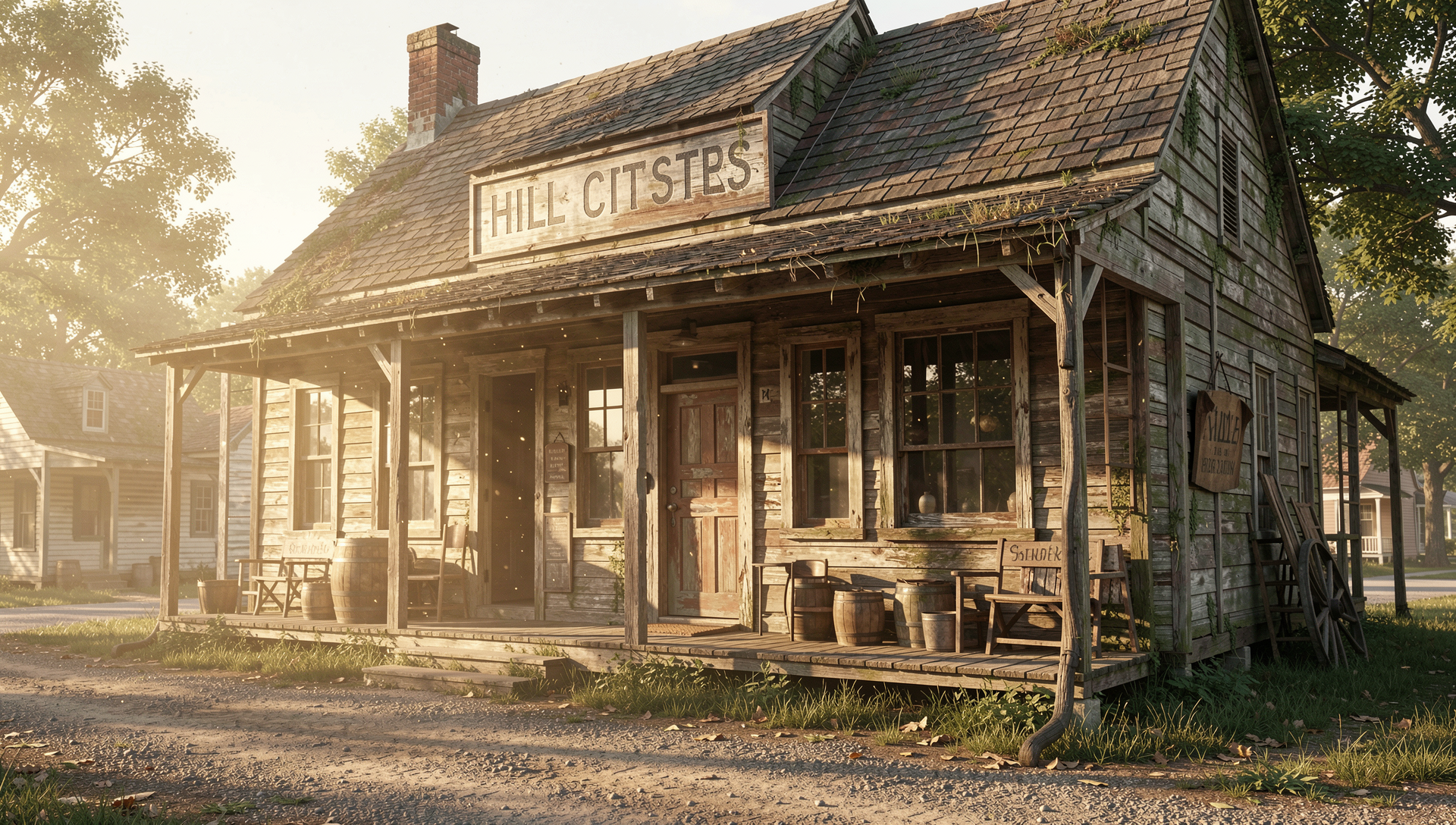
One of the most charming details is that Hill Cottage was built in the 1840s and served as a tavern and stagecoach stop, plus the location of the first post office in town. That is peak early Illinois energy: eat, rest, pick up mail, keep moving.
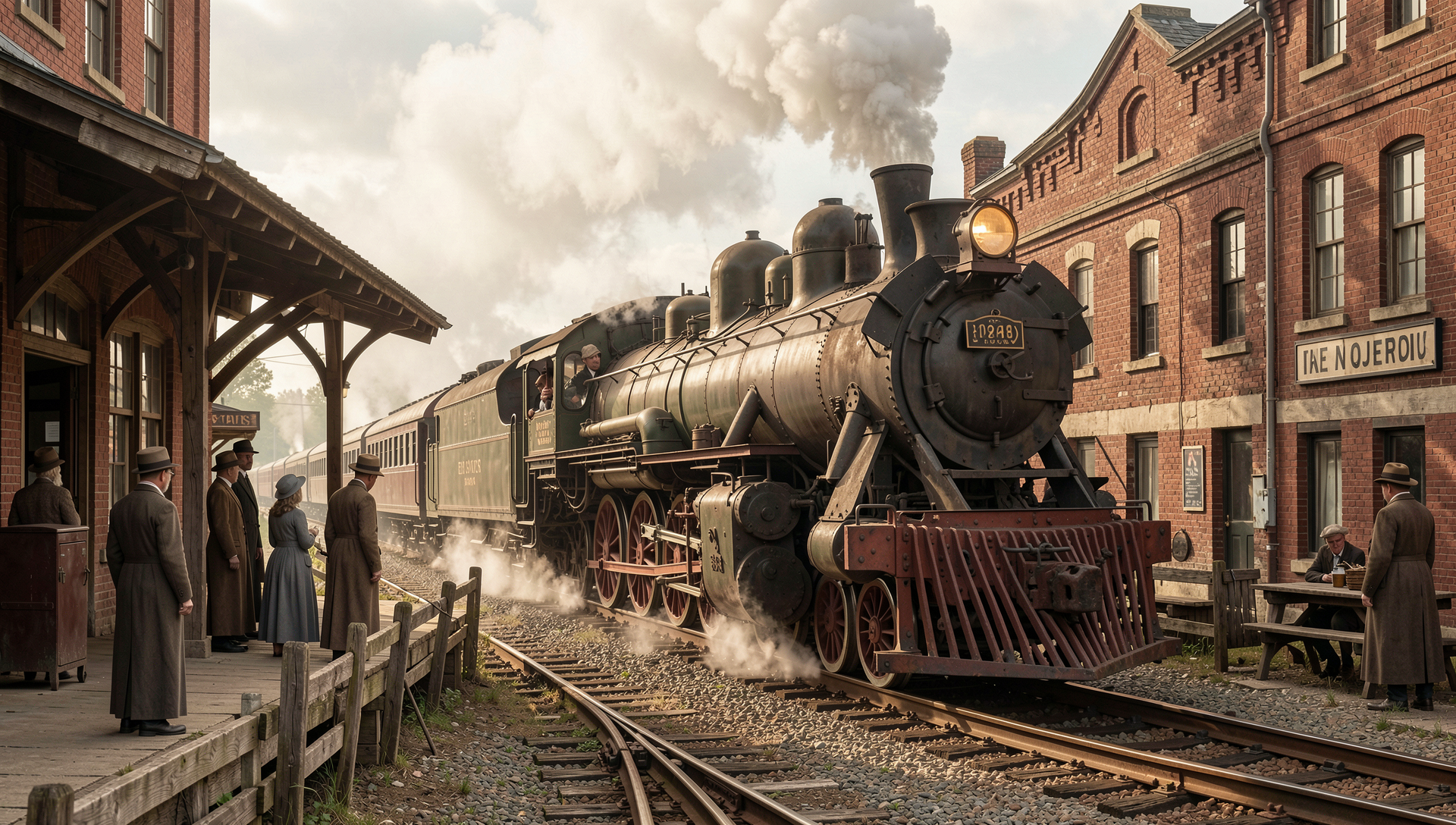
The single biggest “level up” moment in Elmhurst’s early growth was the railroad. In 1849, the Galena and Chicago Union Railroad arrived in Cottage Hill, connecting the community to Chicago and bringing more commerce and new residents.
If you want a modern comparison, think about how a new express train stop or highway upgrade changes a neighborhood overnight. Rail access made it easier to work in Chicago and live in a quieter, greener community. That commuter pattern is still a big part of Elmhurst’s identity today.
Here is a simple Elmhurst history timeline settlement to suburb snapshot with key dates that shaped the city:
1834: First settlers arrive in the York Township area
1839: York Township is incorporated
1845: Cottage Hill Post Office established
1849: Railroad comes to Cottage Hill
1869: Cottage Hill is renamed Elmhurst (suggested by Thomas Barbour Bryan)
1871: Melancthon Seminary is founded (later known as Elmhurst College, now Elmhurst University)
1882: Elmhurst incorporates as a village
1910: Elmhurst votes to incorporate as a city
2020: Elmhurst population recorded as 45,786
That is the arc in one glance: settlement, rail link, new name, institutions, city status, and modern growth.
In 1869, Cottage Hill was renamed Elmhurst. The reasons often come down to identity and clarity, including avoiding confusion with similarly named places, and the new name was suggested by Thomas Barbour Bryan.
For buyers and sellers today, this is more than trivia. A clear identity is part of what creates a strong community brand. It is the same reason certain suburbs hold value so well over time: people know what they are buying into.

In 1871, Melancthon Seminary was founded, later becoming Elmhurst College and now Elmhurst University.
A long-running educational institution tends to do a few things for a community:
Anchors local culture and events
Attracts long-term residents and staff
Supports nearby housing demand, rentals, and walkable business districts
Elmhurst’s timeline also shows the “grown-up city” moments like electric power (1892), sewers (1893), and a developing civic core.
These are the unglamorous upgrades that make daily life smoother and property values more stable across decades.
If you are buying, the history helps you read the map. Older rail-influenced communities often have:
A stronger downtown core
More established neighborhoods
A wider mix of home styles and lot sizes
If you are selling, history gives you story fuel. Buyers do not just purchase bedrooms and bathrooms. They also buy belonging, walkability, and community identity.
For example, when buyers ask, “What do locals do for fun?” you can point them to community traditions and seasonal planning. One easy way to explore that side of town life is this guide to Elmhurst events and festivals locals plan around.
And if your buyer is comparing lifestyle across the region, pairing suburb life with a city day is part of the charm, so keep this Chicago restaurants guide with deep dish favorites in your back pocket.
Finally, the practical side matters too. If someone is relocating, send them this breakdown of Elmhurst cost of living facts before you move so expectations match reality.
Elmhurst did not become a modern suburb by accident. The shift from early settlement to Cottage Hill, the arrival of the railroad, the 1869 name change, and the city’s growth into a full-service community all built the foundation for what residents enjoy now.
If you are thinking about buying or selling in Elmhurst, Naperville, Downers Grove, Plainfield, or Chicago, the best next step is to explore local listings with a smart strategy. Start your search with DomaniProperties.com Illinois home search and reach out when you want a clear game plan.
Peter Poidomani is a realtor known for his straightforward approach, deep local knowledge, and commitment to helping clients make confident real estate decisions. He works closely with buyers, sellers, and investors to navigate Chicago’s diverse neighborhoods, competitive pricing, and fast-moving market, always with clear communication and practical guidance.
With a focus on long-term value and smooth transactions, Peter takes the time to understand each client’s goals and deliver strategies that actually work in the Chicago market. Whether helping a first-time buyer find the right home, positioning a property for a strong sale, or identifying smart investment opportunities, he brings professionalism, market insight, and a client-first mindset to every deal.