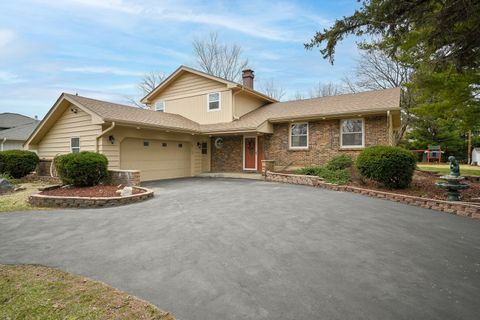
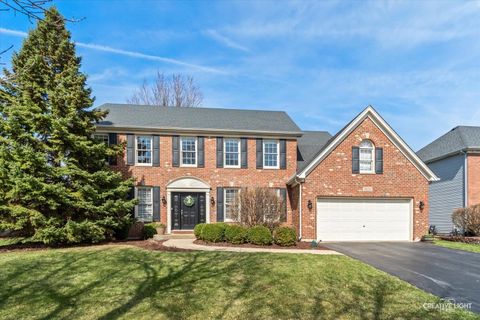
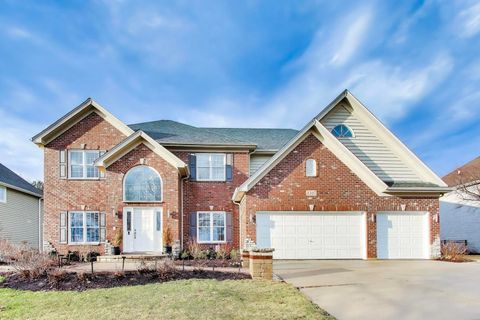
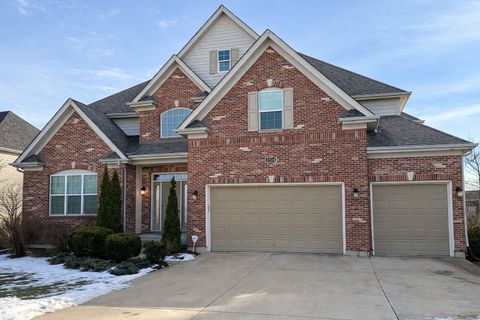
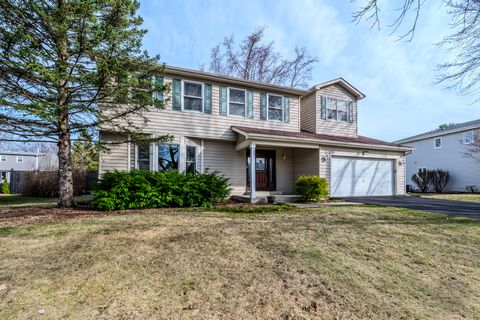
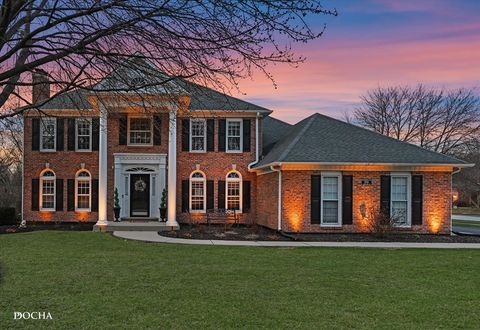
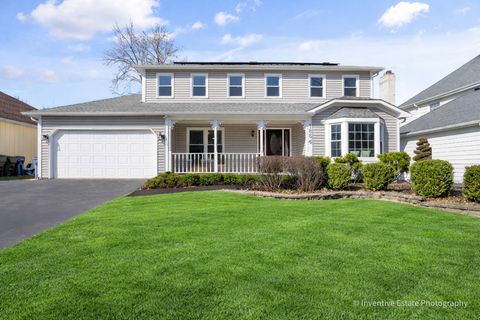
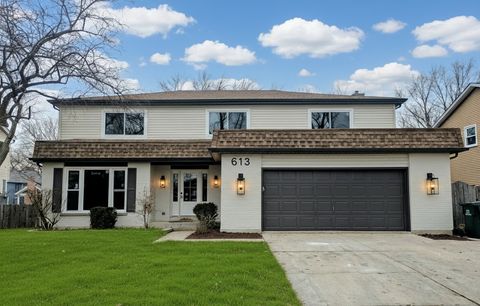
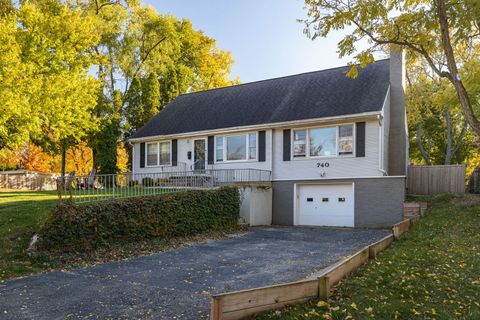
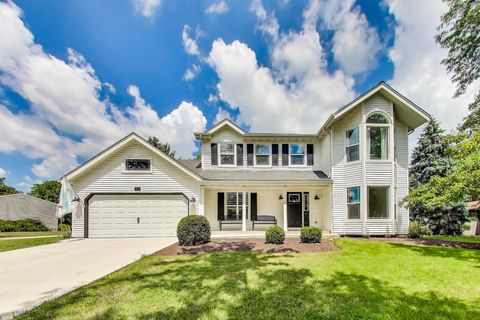
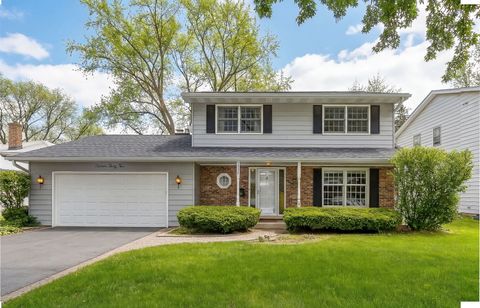
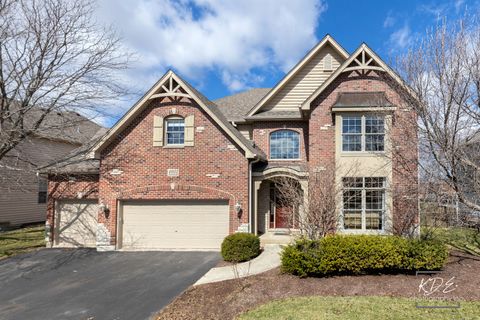
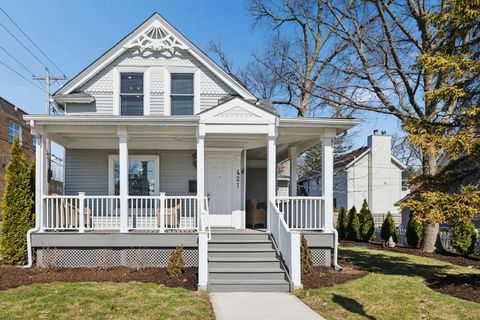
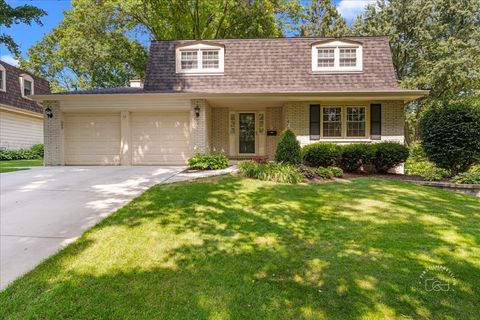
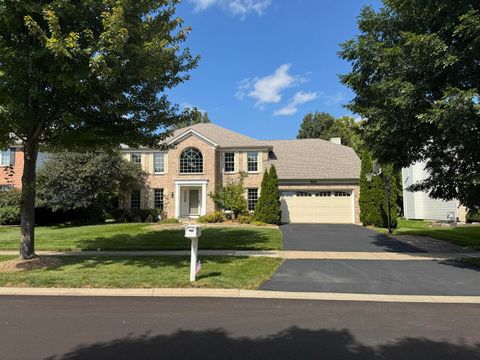
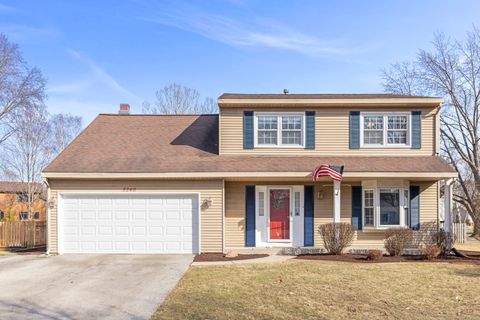
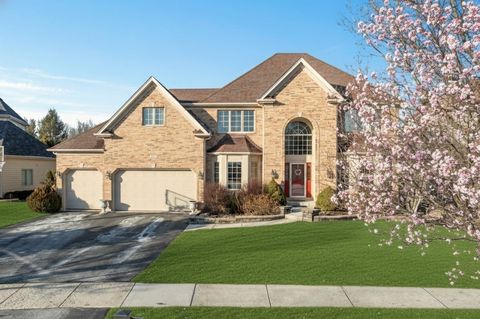
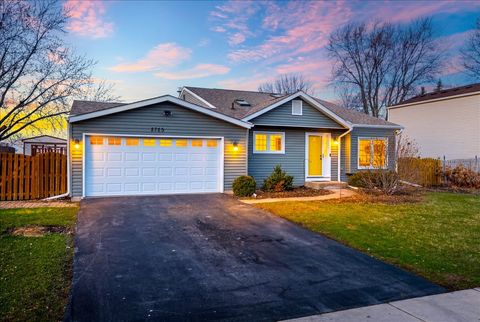
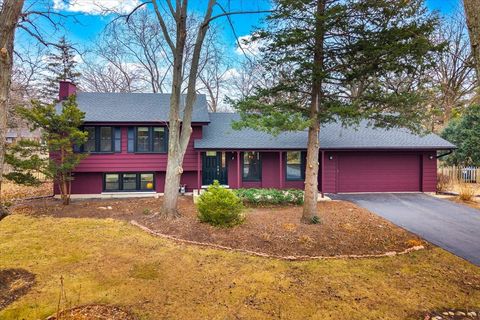
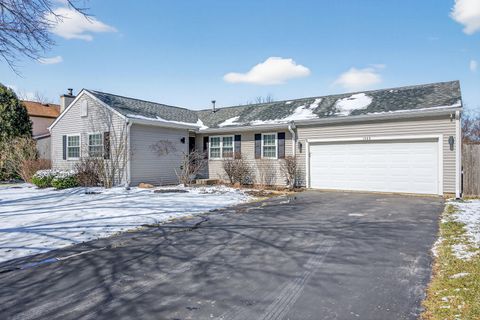
If you are comparing suburbs near Chicago, Elmhurst IL cost of living housing food transportation is one of the smartest topics to understand before you fall in love with a tree lined street and a charming downtown. Elmhurst is popular for a reason, but like any in demand community, the numbers matter, especially housing.
A quick snapshot: Elmhurst’s overall cost of living score is 108.1, which BestPlaces reports as 8.1% higher than the U.S. average.
That does not mean everything is expensive. It usually means housing pulls the average up, while other categories are closer to normal.
Here is how BestPlaces breaks out key categories for Elmhurst:
Grocery index: 102.2 (a bit above the national average)
Transportation index: 106.2 (also above average)
Housing index: 160.9 (this is the big one)
If you are a buyer, the takeaway is simple: plan carefully for housing, and you will likely feel good about day to day expenses.
Housing is where Elmhurst tends to separate itself from nearby options.
BestPlaces estimates:
A typical home cost of $447,100
A two bedroom rent of $1,810 per month
Market data sources also show Elmhurst home values in the mid to upper range compared to many suburbs.
Zillow reports an average home value around $594,128
Redfin reports a median sale price of $563,000 for December 2025
Real world scenario: A couple relocating from Chicago might be fine with a higher mortgage if it means more space, a garage, and calmer streets. Meanwhile, a move up buyer from a more affordable suburb might need to adjust expectations on lot size, finishes, or commute distance to stay in budget.
When people say “cost of living,” they often forget the extra homeownership line items:
Property taxes and insurance
Maintenance and updates
Utilities and seasonal heating costs
Commuting and parking if you drive more
If you want a clean strategy: focus on total monthly payment, not just purchase price.
Good news: groceries usually do not feel dramatically different in Elmhurst compared to many other Chicago area suburbs.
BestPlaces lists Elmhurst’s grocery index at 102.2, which suggests groceries are slightly above the national average.
What this looks like in real life:
You can keep grocery costs steady if you stick to a routine and shop intentionally
Dining out is where budgets can drift, especially if you discover a few “we should do this every week” spots
Practical tips for keeping food costs predictable:
Pick 1 or 2 main grocery stores and learn their best weekly deals
Use pickup orders when your cart mysteriously gains snacks
Set a “restaurants” budget so date night stays fun, not financially surprising
Elmhurst transportation costs depend on one question: are you driving most days, or using rail for city access?
BestPlaces puts Elmhurst transportation at 106.2, slightly above the national average. That tracks with typical suburban realities like car ownership, insurance, fuel, and maintenance.
If you commute to Chicago, Metra can be a major lifestyle benefit. Metra fares vary by zones and ticket type, and you can check exact prices using Metra’s fare tools and fare table resources.
Real world scenario: A buyer who takes the train three days a week might justify paying more for a home that is closer to the station, because it saves time, simplifies commuting, and may support resale demand later.
Even if your mortgage is comfortable, transportation can sneak up through:
Two car households
Toll roads and parking
Insurance increases based on vehicle and driving patterns
Regular maintenance you cannot ignore forever
A simple way to plan: estimate your monthly transportation spend now, then add a buffer if you expect more driving.
Nationally, housing has remained a major affordability topic. The National Association of Realtors reported the U.S. median home price was $414,400 in 2025, with home sales at low levels compared to prior decades.
Why does that matter locally? Because in demand suburbs like Elmhurst often stay competitive even when the broader market cools. Buyers still want good locations, and sellers still benefit from strong local demand when their home is priced correctly and presented well.
Whether you are buying or selling, these steps help you make decisions with fewer surprises.
Get a payment estimate that includes taxes and insurance
Decide what you can trade: size, updates, school proximity, train access
Budget for at least one “first year” home project
Test your commute at the time you would actually travel
Highlight what buyers pay for: location, lot, layout, updates, walkability
Fix small issues that make buyers nervous
Price based on market data, not neighbor stories from 2022
Understanding Elmhurst IL cost of living housing food transportation helps you move with confidence, whether you are buying your first home, upgrading, downsizing, or relocating into the western suburbs. If you want to compare Elmhurst with Naperville, Downers Grove, Plainfield, or Chicago and see what your budget can realistically buy, search for Illinois property with domaniproperties.com and explore the best fit for your lifestyle.

Peter Poidomani is a realtor known for his straightforward approach, deep local knowledge, and commitment to helping clients make confident real estate decisions. He works closely with buyers, sellers, and investors to navigate Chicago’s diverse neighborhoods, competitive pricing, and fast-moving market, always with clear communication and practical guidance.
With a focus on long-term value and smooth transactions, Peter takes the time to understand each client’s goals and deliver strategies that actually work in the Chicago market. Whether helping a first-time buyer find the right home, positioning a property for a strong sale, or identifying smart investment opportunities, he brings professionalism, market insight, and a client-first mindset to every deal.