
If you are buying a home in Elmhurst, you are looking at one of the most consistently in-demand suburbs in the west suburbs corridor. Elmhurst has that rare mix of strong resale value, walkable pockets, and an easy path into Chicago that keeps demand steady even when the broader market gets weird.
So is Elmhurst a good place to buy a home right now? For many buyers, yes, as long as you understand what drives prices here and how to win without overpaying.
Elmhurst is not a “wait and it will get cheaper” kind of market most years. Recent housing data shows prices holding firm and competition staying real, especially for homes that are updated and well located.
Here are a few current signals:
Zillow’s Home Value Index puts the average Elmhurst home value around $585,126, up about 6.3% year over year, with homes going pending in roughly 16 days.
Redfin reports a median sale price around $580K with year-over-year price growth, and an average time on market around 57 days (which can vary a lot by price point and condition).
Why the difference between sources? They measure slightly different things (median sale price vs. index values), and timing can vary by month. What matters for you is the trend: Elmhurst remains a high-demand suburb, and the best homes still move fast.
Real-world example: A move-in-ready home near downtown or near a top-rated school often attracts multiple buyers quickly, while a dated home with a long list of repairs may sit longer and become negotiable.
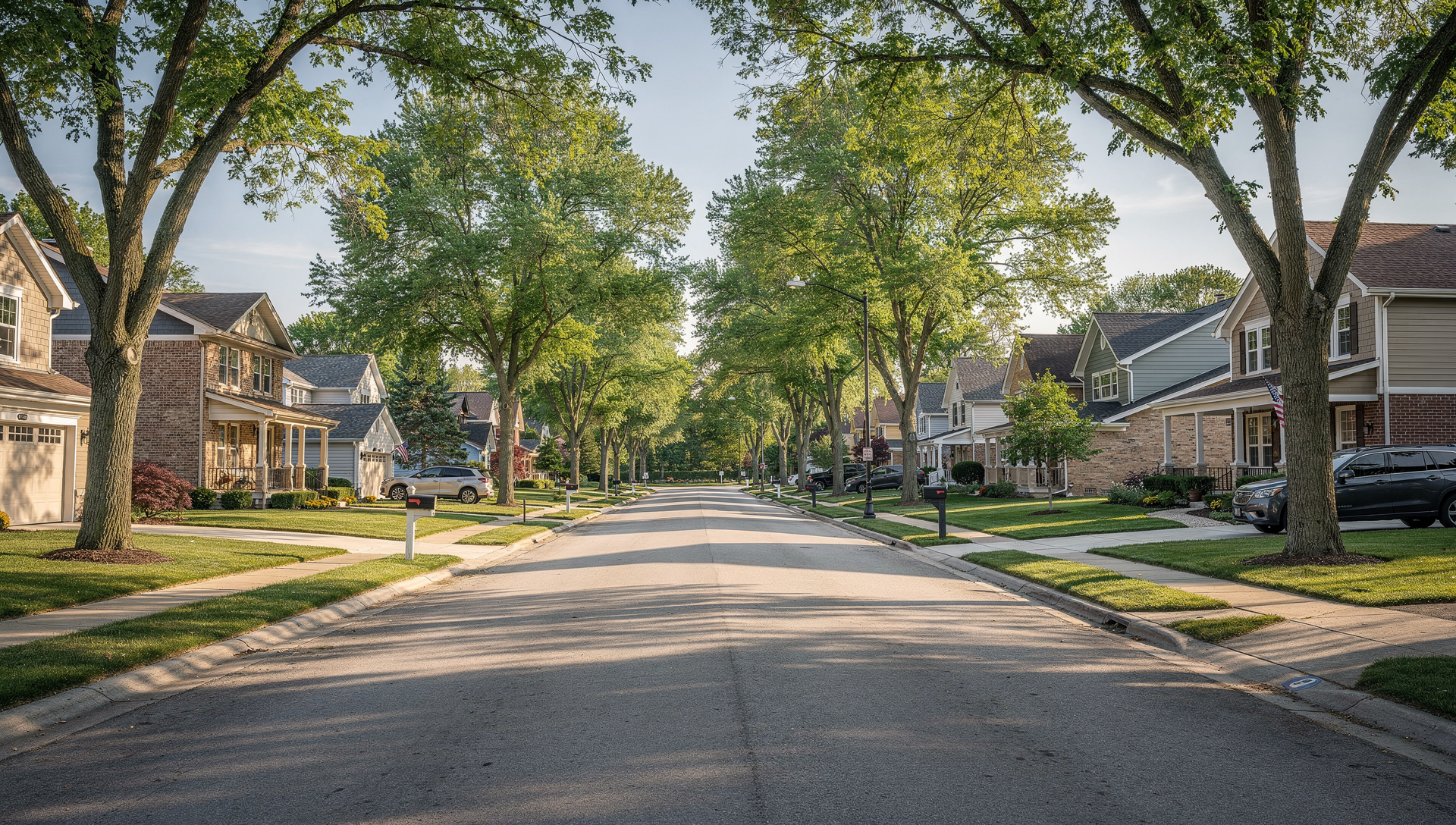
Elmhurst tends to pull in buyers who want a suburb that feels “built out” in a good way: mature trees, established neighborhoods, and amenities that do not feel brand new or temporary.
Buyers commonly choose Elmhurst for:
Downtown energy with restaurants, coffee, and community events
Neighborhood variety, from classic brick ranch homes to larger new builds
A strong “long-term place to settle” vibe (the kind that keeps resale solid)
Smooth transition thought: lifestyle is great, but most buyers want proof in the fundamentals. That starts with schools.
Elmhurst’s schools are a big reason families pay a premium here. Elmhurst School District 205 is frequently rated highly, and reported proficiency metrics show meaningful performance in core subjects.
What that means for buyers:
School demand supports home values over time
Even buyers without kids often benefit because resale demand remains strong
Quick scenario: You buy a home intending to stay 5 to 7 years. If the local school reputation stays strong, you typically have a larger pool of buyers when you sell, which can protect your equity.
Elmhurst is popular with Chicago commuters because it has direct train access and a practical commute time.
Metra’s Union Pacific West line includes Elmhurst Station as a stop.
Typical train travel is often around 40 minutes to downtown Chicago destinations depending on schedule and stop pattern.
Translation: you get suburban space without feeling stranded.
Elmhurst’s desirability comes with higher ownership costs, and property taxes are the big one to plan for.
Third-party estimates place Elmhurst’s effective property tax rate around 1.94% (rates vary by property and exemptions, so treat this as a planning estimate, not a quote).
DuPage County provides detailed property tax rate and reporting resources, and your actual bill depends on your exact parcel and taxing districts.
What buyers often miss:
A home that “fits the budget” on price may feel very different once taxes and insurance are added.
Newer or larger homes can have a different tax profile than smaller older homes, even on the same street.
Helpful transition: once you understand costs, the next question becomes, “Is Elmhurst right for my specific situation?”
Elmhurst is a strong fit if you value stability and livability more than finding a dramatic bargain.
Elmhurst tends to be best for:
Move-up buyers who want space and long-term value
Families prioritizing schools and community
Professionals who want a reliable commute option
Buyers who can act decisively when the right home hits the market
Elmhurst may be trickier if:
You need a big discount to make the numbers work
You cannot move quickly on a home you love
You prefer a “hidden gem” market with less competition

If you are serious about buying, your strategy matters as much as your budget.
A smart Elmhurst game plan:
Get fully underwritten (or close) pre-approval, not just a quick pre-qual
Target homes where you can add value: cosmetic updates, not major structural projects
Use a “must-have vs nice-to-have” list so emotions do not set your price
Ask for hyper-local comps, not just a generic market report
Real-world example: If two similar homes are listed at the same price, but one is walkable to downtown and the other is not, buyers often compete harder for the walkable one. That is not hype. It shows up later at resale too.
For many buyers, yes. Elmhurst continues to show strong demand signals, supported by livability, schools, and commuter-friendly access. The key is going in with a plan for competition and total monthly cost.
If you are buying a home in Elmhurst and want help finding the right fit (and negotiating with confidence), search for Illinois property with DomaniProperties.com and reach out to schedule a buyer strategy conversation.

Peter Poidomani is a realtor known for his straightforward approach, deep local knowledge, and commitment to helping clients make confident real estate decisions. He works closely with buyers, sellers, and investors to navigate Chicago’s diverse neighborhoods, competitive pricing, and fast-moving market, always with clear communication and practical guidance.
With a focus on long-term value and smooth transactions, Peter takes the time to understand each client’s goals and deliver strategies that actually work in the Chicago market. Whether helping a first-time buyer find the right home, positioning a property for a strong sale, or identifying smart investment opportunities, he brings professionalism, market insight, and a client-first mindset to every deal.